Featured Insight
Understanding how exposed credentials become one of the most common real-world security risks.
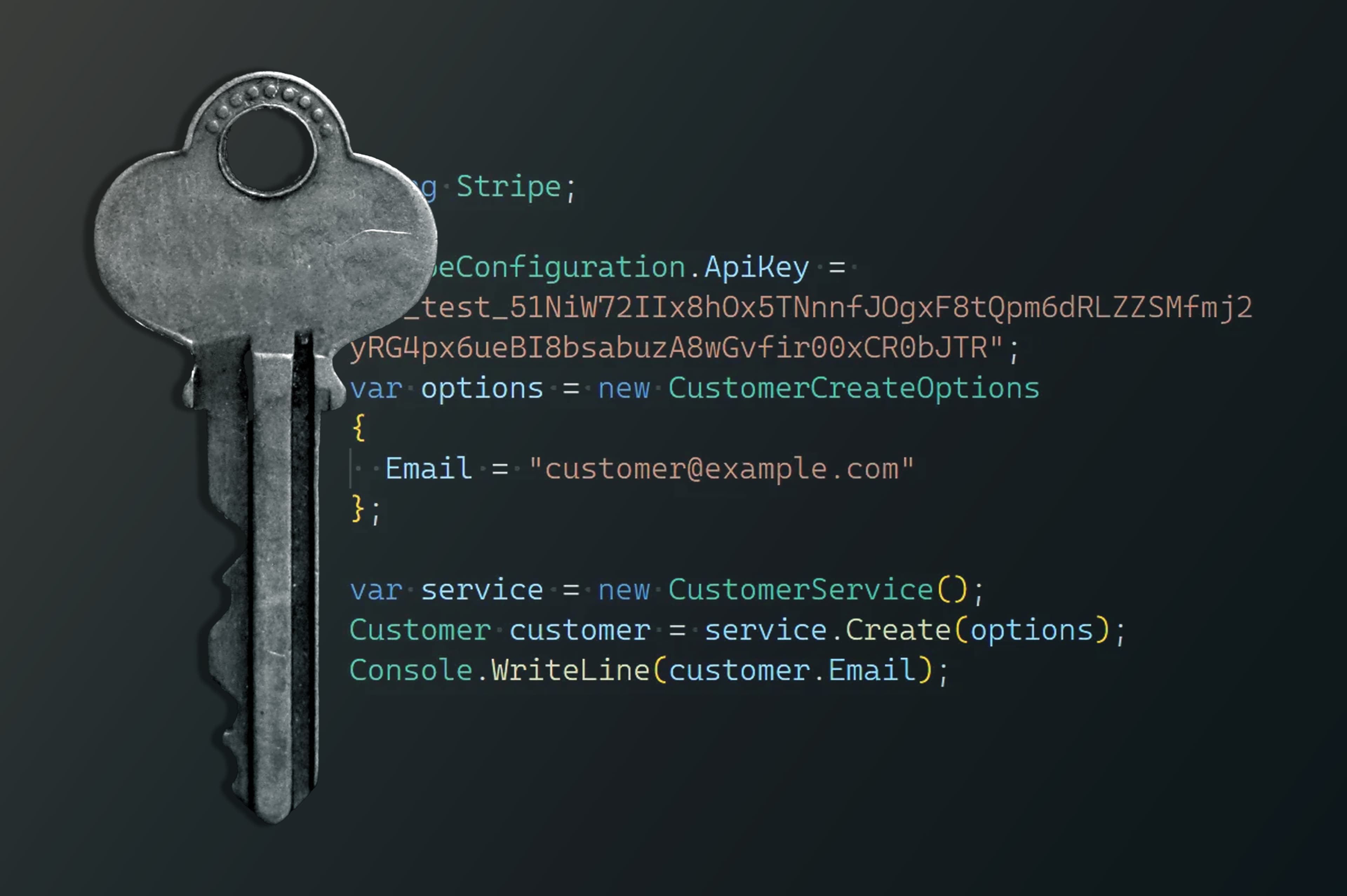
Did They Lose Their Keys? A Black Box Pentest Adventure
All Case Studies & Expert Insights
Deep dive into solutions and cybersecurity topics with our experts

Project Glasswing: What It Means for Cybersecurity
Project Glasswing goes beyond its high-profile launch partners, with funding for open-source security, AI access for maintainers and new governance measures. But the initiative also raises questions about access, workload and who is responsible for fixing the vulnerabilities AI finds.

Claude Mythos: What Its Low Cost Means for Cybersecurity
Claude Mythos has been portrayed as requiring nation-state-level resources to replicate. The reality is more concerning: AI-assisted vulnerability discovery can cost as little as $50, potentially putting powerful offensive capabilities within reach of a much broader range of actors.

Why Secure Large File Transfer Remains a Challenge for Modern Organisations (Webinar)
Secure file transfer is a growing challenge for organisations as email limits and unmanaged sharing tools introduce security, compliance and governance risks. Explore how organisations can maintain control, visibility and security when sharing large or sensitive files.

Pen Testing: Trust Me Bro(ker)
A penetration test uncovered a hidden internal message broker that exposed unauthorised access due to insecure default configurations. This article explores how assumptions about “trusted internal systems” can create significant security risk.

The Governance Gap: Speed vs. Structure
In fast-moving environments, security and governance often struggle to keep pace with development speed. This article explores how structural gaps emerge in agile organisations and how they can be addressed before they become security risks.

Beyond the Firewall: Why Real Pen Testing Must Cover the Whole Business
Why modern cybersecurity requires a broader approach beyond traditional perimeter defences.